


Some places are best understood through their celebrations. Every July 25th, Guanacaste comes alive with music, dancing, traditional cuisine, horse parades, and a rich history, offering visitors a chance to experience Costa Rica in ways that go far beyond its beautiful beaches and wildlife.
If your visit happens to coincide with Annexation Day, you’ll witness the province at its most vibrant. Communities gather to honor the traditions, stories, and local pride that have defined Guanacaste for generations, giving travelers an authentic glimpse into the culture that continues to shape this remarkable corner of Costa Rica.
What Is Annexation Day?
Annexation Day commemorates the peaceful decision made on July 25, 1824, when the Partido de Nicoya chose to join Costa Rica rather than remain with Nicaragua after Central America’s independence from Spain.
Unlike many historical territorial changes, the decision reflected strong economic, cultural, and geographic ties with Costa Rica instead of conflict. Costa Ricans proudly remember this moment in history with the phrase.
“De la patria por nuestra voluntad.”
“Part of the homeland by our own will.”
That peaceful choice continues to shape the identity of Guanacaste nearly two centuries later.

Why Guanacaste Celebrates in a Big Way
While Annexation Day is recognized across Costa Rica, nowhere celebrates quite like Guanacaste. After the Annexation of Nicoya in 1824, Guanacaste became one of the country’s strongest cultural influences. The province’s music, dance, and traditions helped shape Costa Rica’s national identity.
Throughout the province, local communities organize events that showcase the traditions passed down through generations. If you’re visiting, you’ll get the chance to experience:
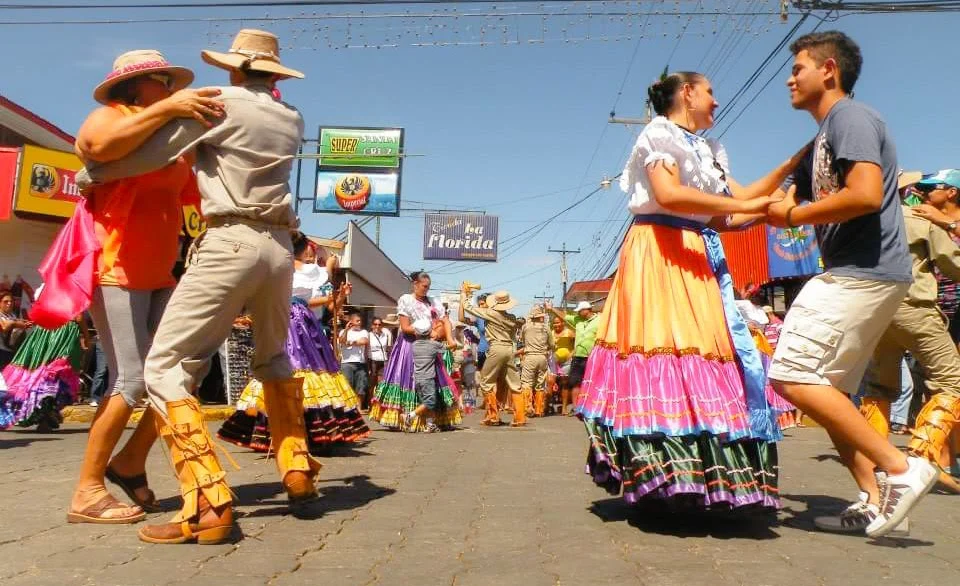
- Traditional folk dancing in colorful dresses
- Live marimba music fills town centers
- Horse parades known as tope
- Community rodeos and cultural festivals
- Handmade crafts created by local artisans
- Traditional Costa Rican foods are prepared for family gatherings
The atmosphere feels festive without being overwhelming. It is the kind of celebration where locals welcome visitors to join in, making it easy to experience Costa Rican culture beyond the beaches.
Where History Comes to Life Through Dance
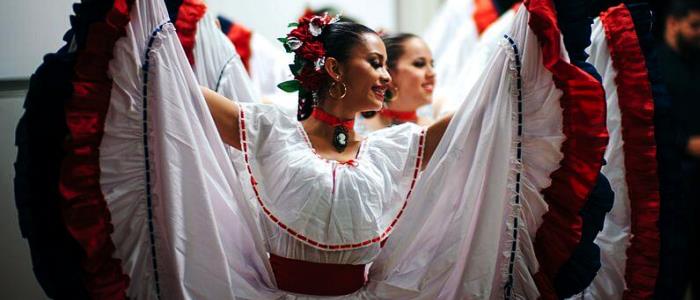
Costa Rican folk dancing traces its roots to the colonial era, when Spanish traditions blended with the rhythms, customs, and storytelling of Indigenous and Afro-descendant communities. Over time, these influences evolved into dances that celebrate everyday life, courtship, farming, and community, many of which are still performed during festivals and national holidays.
Several of Costa Rica’s most iconic folk dances originated in Guanacaste, including Punto Guanacasteco, the country’s national dance, Parrandera Guanacasteca, and El Torito, which pays tribute to the province’s ranching heritage. Accompanied by the lively sound of the marimba, Costa Rica’s national instrument, these performances are a highlight of Annexation Day celebrations.
The colorful costumes are equally symbolic. Women’s flowing dresses are inspired by 19th-century rural fashion, while men’s white clothing, red neckerchiefs, and straw hats honor the sabaneros, Guanacaste’s legendary cowboys.
More than entertainment, these dances are living traditions. Passed down through generations and taught to children from a young age, these stories continue to preserve the pride and cultural identity of Guanacaste.
The Tradition Behind the Tope
One of the most anticipated events of Annexation Day is the tope, a traditional horseback parade honoring Guanacaste’s ranching heritage. Long before tourism became a cornerstone of the region, skilled sabaneros (cowboys) spent their days working cattle on horseback across the province’s vast landscapes. Today, the tope celebrates that enduring legacy, bringing together beautifully trained horses, proud riders, marimba music, and cheering crowds in a vibrant display of Guanacastecan culture.
The Legacy of the Guanacaste Rodeo
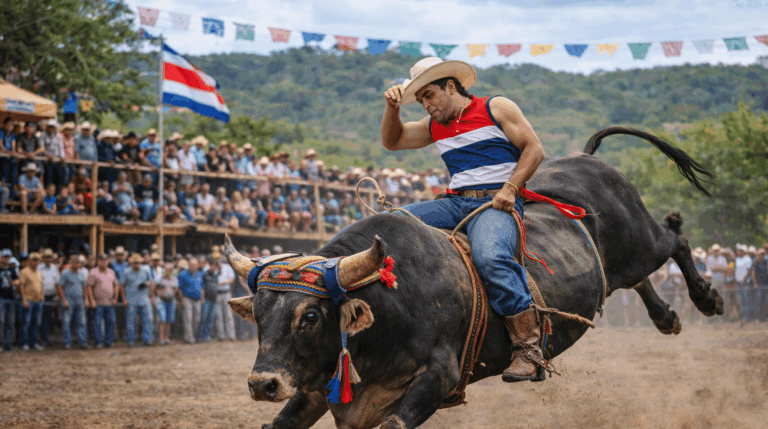
No Annexation Day celebration in Guanacaste would feel complete without a traditional rodeo, or corrida de toros. Rooted in the province’s long-standing ranching culture, these events pay tribute to the sabaneros whose lives revolved around raising cattle and working the land. Unlike the Spanish-style bullfights many people are familiar with, Costa Rican rodeos are not centered on killing the bull. Instead, they celebrate horsemanship, courage, and community, with riders demonstrating their skills in a lively, family-friendly atmosphere. Accompanied by music, local food, and cheering crowds, rodeos remain one of Guanacaste’s most cherished traditions and a vibrant reminder of the province’s agricultural heritage.
Crafted by Tradition
One of the most rewarding ways to experience Annexation Day is to explore handmade crafts by local artisans. Throughout Guanacaste, festival markets feature beautifully woven baskets, hand-painted pottery, carved wooden pieces, leather goods, and colorful souvenirs that reflect the province’s rich cultural heritage. Many of these traditional skills have been passed down through generations, making each piece more than just a keepsake. It’s a small way to take home a story while supporting the local artists who continue to preserve Guanacaste’s craftsmanship.
From Farm to Family Tables
Food plays a major role in Annexation Day celebrations, and Guanacaste is known for recipes that reflect its agricultural roots.
During this time of year, you may find local favorites such as:
- Fresh corn tortillas cooked over a wood-fired stove
- Homemade tamales
- Gallo pinto served with local cheese
- Chorreadas (sweet corn pancakes)
- Arroz de maíz
- Rosquillas and other traditional baked treats
Many recipes have been passed down through families for generations, making every bite part of the region’s story.
A Celebration of Costa Rica’s Pura Vida Spirit
One of the reasons visitors love experiencing Annexation Day is that it feels authentic.
Instead of large commercial festivals, many celebrations happen in local parks, schools, churches, and town centers. Families gather together, children perform traditional dances, neighbors reconnect, and visitors are welcomed as part of the celebration.
It offers a glimpse into everyday Costa Rican life that many travelers never experience during a typical vacation.
Experience Guanacaste Beyond the Beach
The beaches may bring travelers to Guanacaste, but its history, authenticity, and welcoming communities are what inspire many to return.
Annexation Day is a reminder that this region is more than beautiful coastlines. It is a place filled with stories, proud traditions, incredible food, and genuine hospitality.
If your Costa Rica vacation falls around July 25, take the opportunity to join the celebration. You will leave with more than photographs. You will gain a deeper appreciation for the culture that makes Guanacaste such an unforgettable destination.
After a day exploring local festivities, there is something special about returning to a peaceful place surrounded by nature. Book your spa treatment here!